
A Joomla 1.5 website built on a Lenovo IdeaPad S9 in 2009, recovered from an old disk archive in 2026 and rebuilt as a safe, navigable static exhibit.
archive snapshot · 12 feb 2010
The old site is still switched off.
Loading starts with about 0.8 MB. The full archive is about 50 MB and loads gradually only as you browse galleries and open photographs.
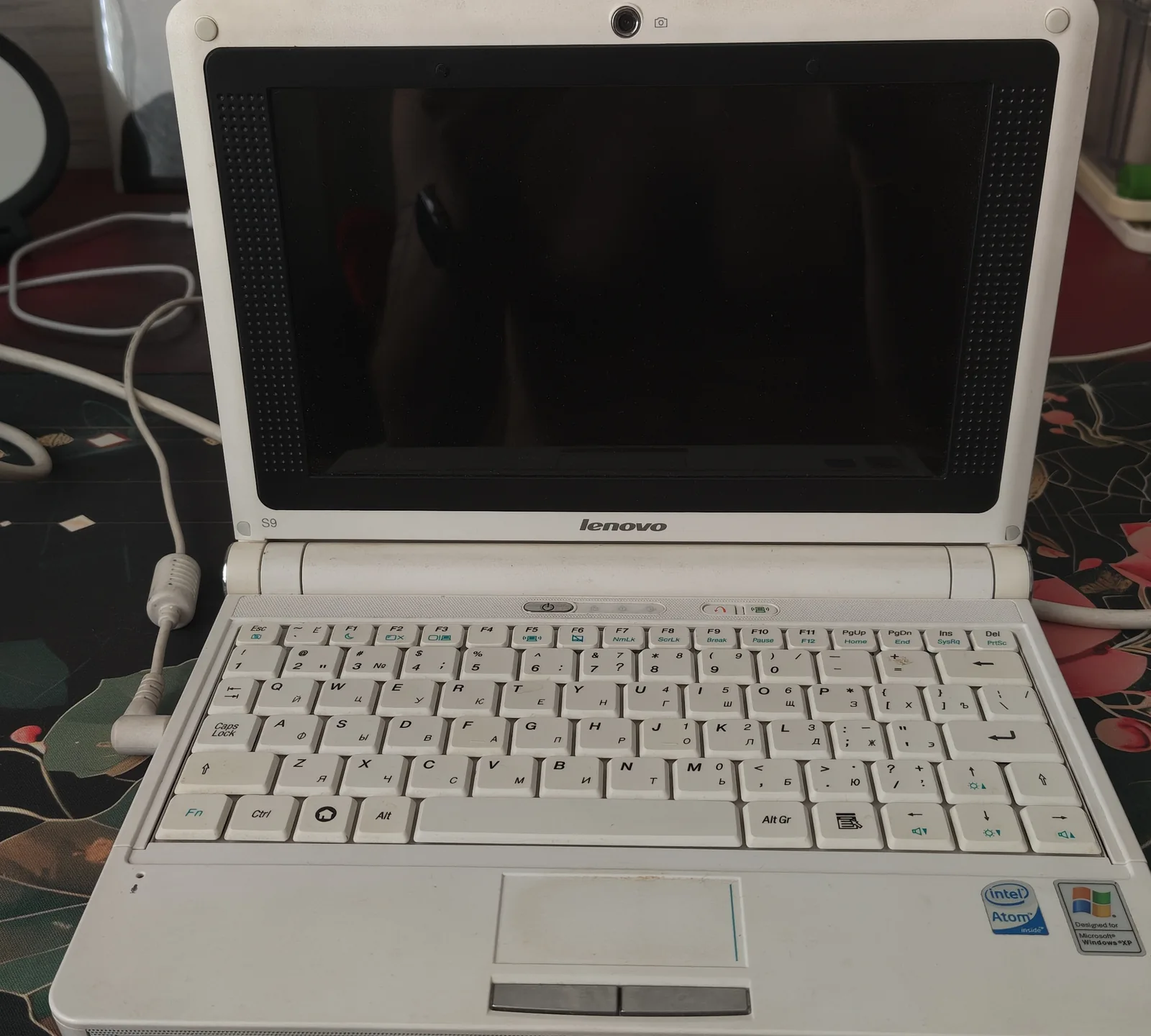
archive not loaded · actual S9 photographed 15 Jul 2026
Traffic note. The device photograph loads with this page, but the archive itself does not. Pressing Load archive fetches roughly 0.8 MB. The complete archive is about 50 MB and is transferred only piece by piece as galleries and large photographs are opened.
A folder that waited sixteen years
The site returned before the computer did.
I found it while sorting an archive copied from my old Lenovo IdeaPad S9. The folder was still named lenovo s9. Inside it was not a single neat backup, but two copies of the same Joomla website, a database dump, configuration files, original graphics, PSD and PowerPoint source material, development screenshots and photographs connected with the project.
It was more than a website backup. It was a small working environment from 2009, packed away almost by accident and left untouched for sixteen years.
The two surviving copies explained part of the timeline. The local version used Joomla 1.5.14. The later server copy used Joomla 1.5.15 and included a SQL dump dated 12 February 2010. Most files were identical; the differences were mainly the Joomla update and a few later additions. The server copy became the source for the restoration.
Then the S9 turned up
On 15 July 2026, I found the netbook itself.
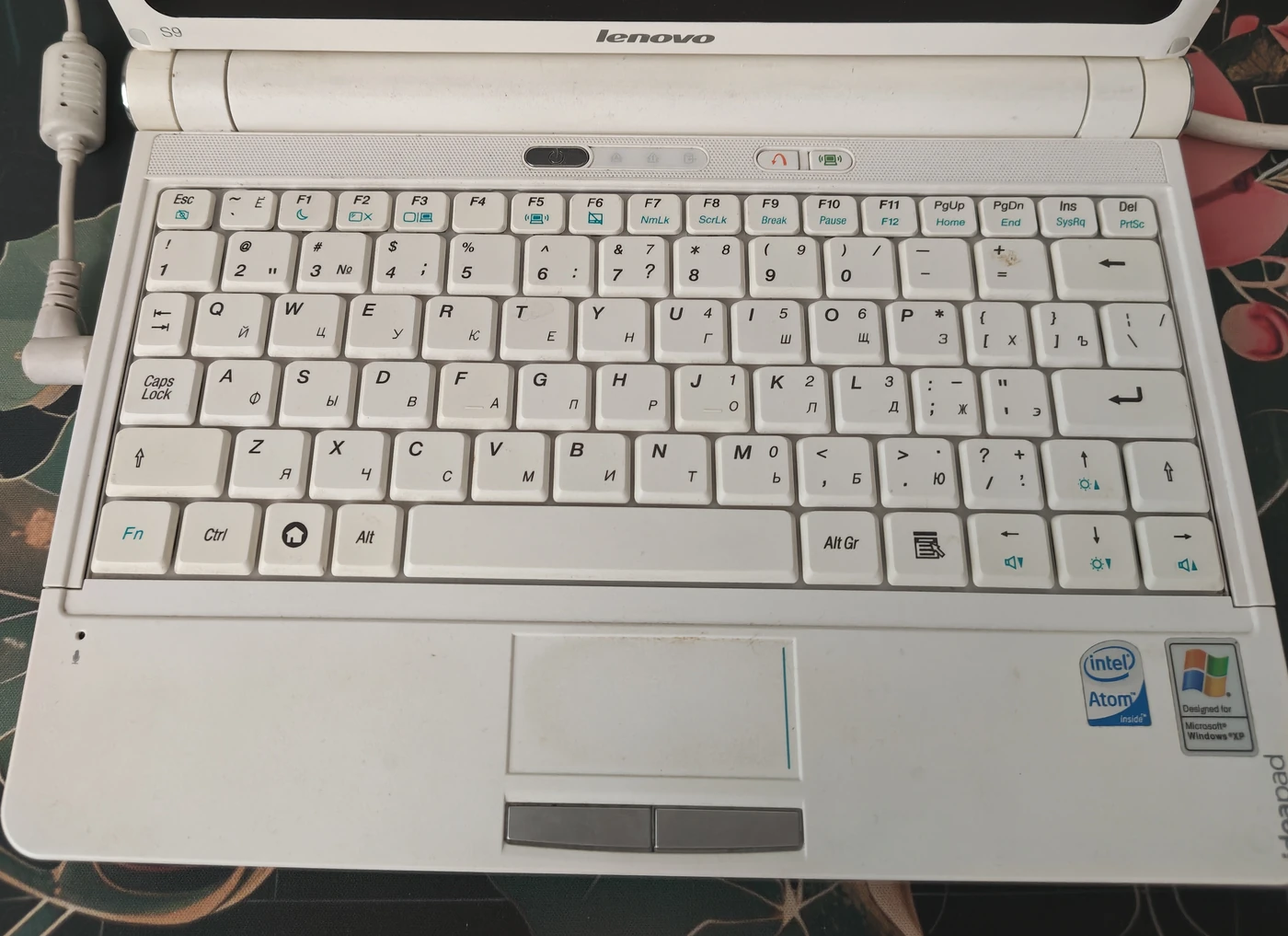
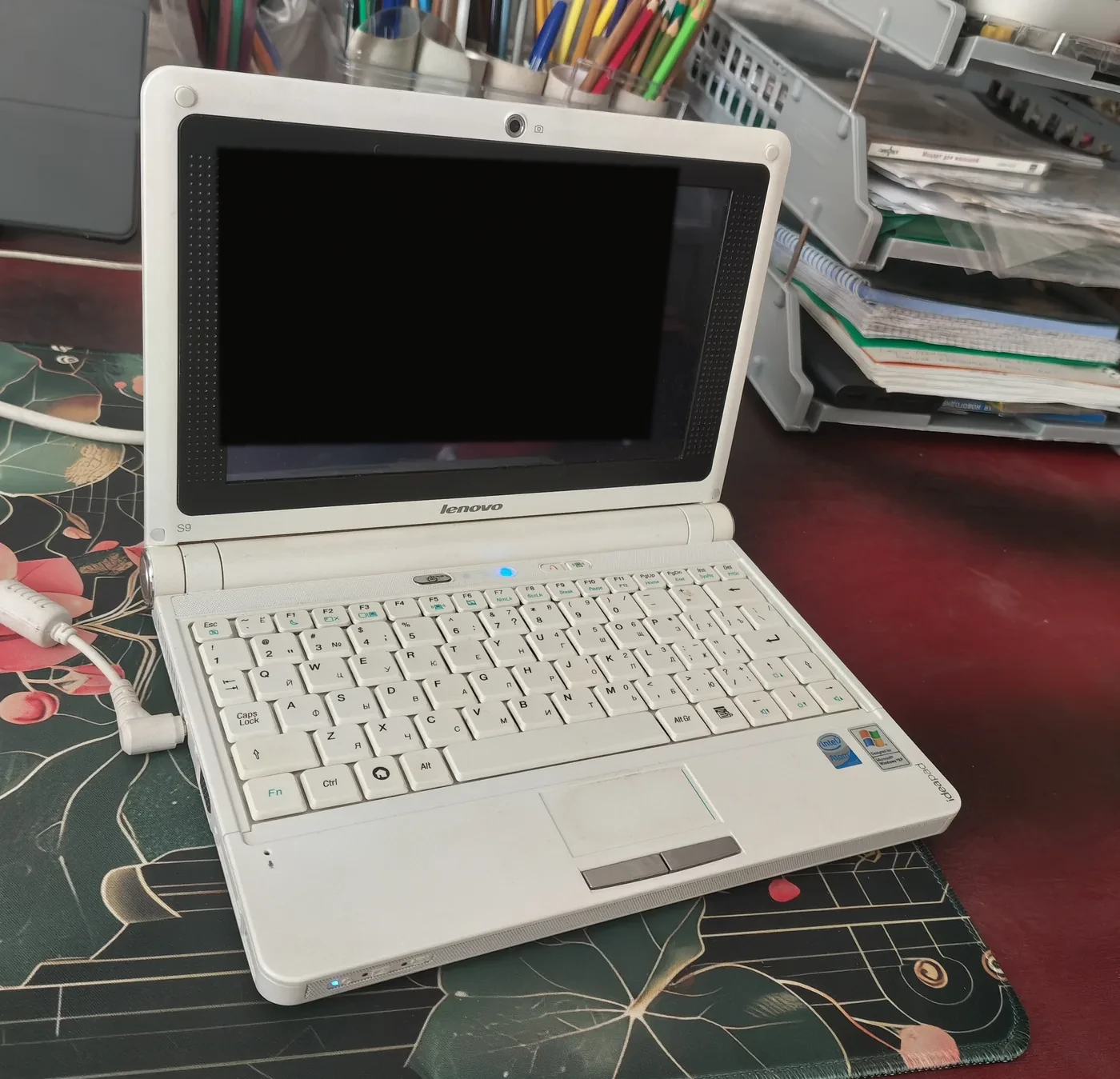
The label on the lower-left corner of the display says S9, settling a model-name argument that a stock photograph had briefly managed to create. The machine is exactly as I remembered it: a white outer lid, a second black frame around the display, perforated speaker panels on both sides of the screen, a compact white keyboard with Latin and Cyrillic legends, an Intel Atom sticker and the original Windows XP badge.
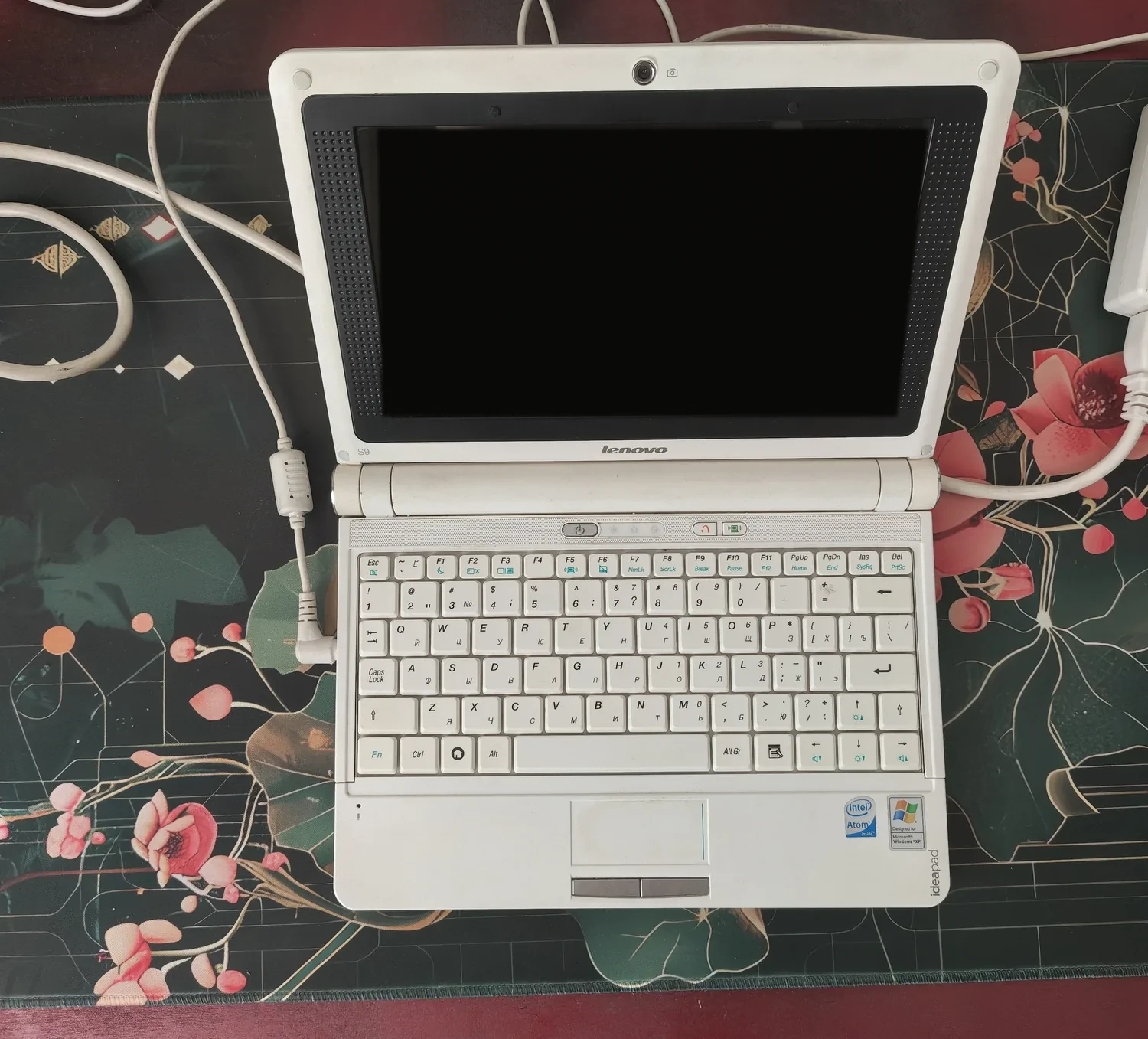
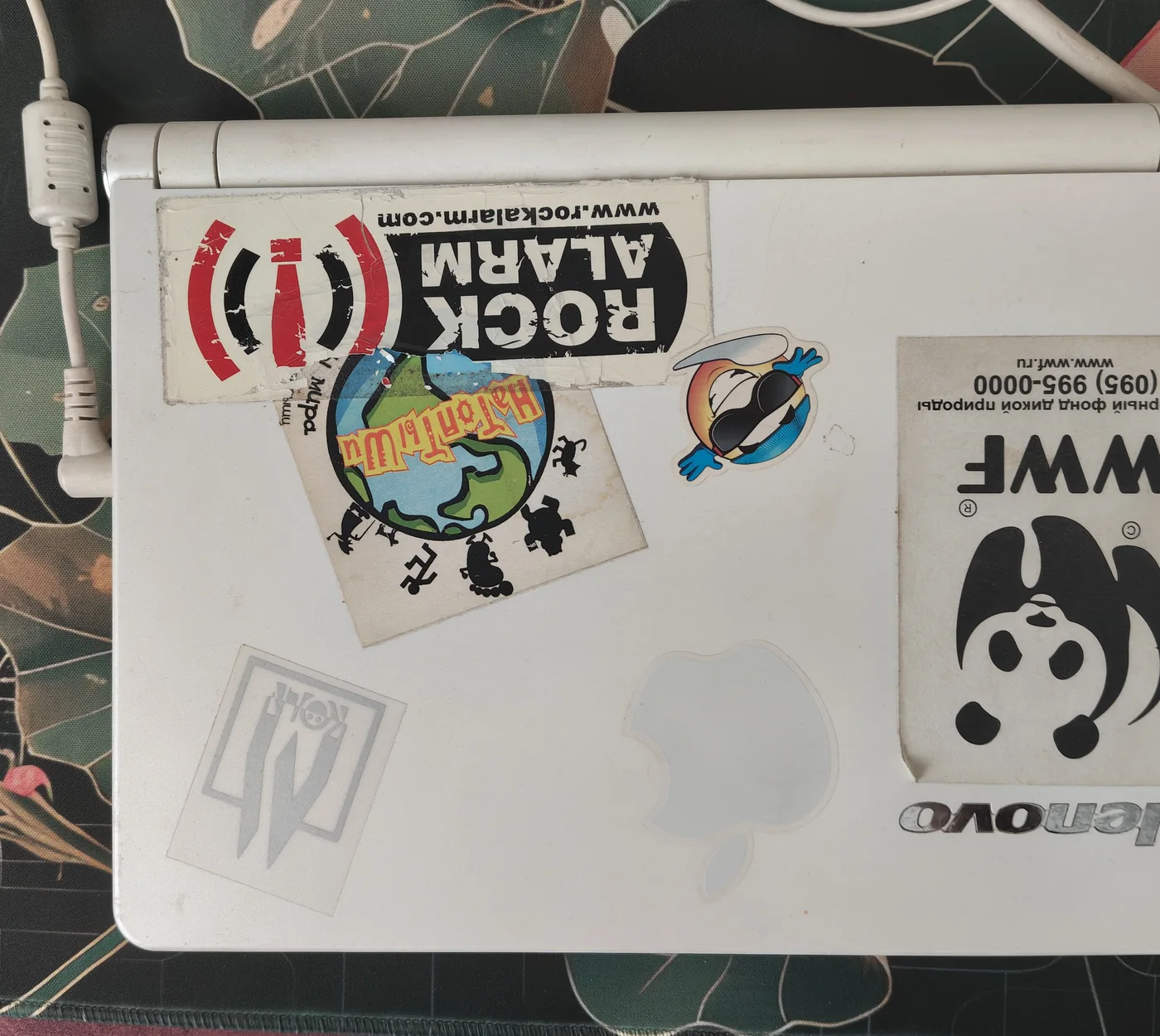
It is not a pristine product photograph. The case is marked by use, the lid carries old stickers, and the original power supply is still attached. That is the point. This is the device that was actually used.
It still switches on. The Lenovo and Phoenix BIOS screen appears, Windows XP starts, and the old archive folder can be opened on the same machine that once held the original working copy. The folder and the hardware are no longer two separate pieces of evidence.

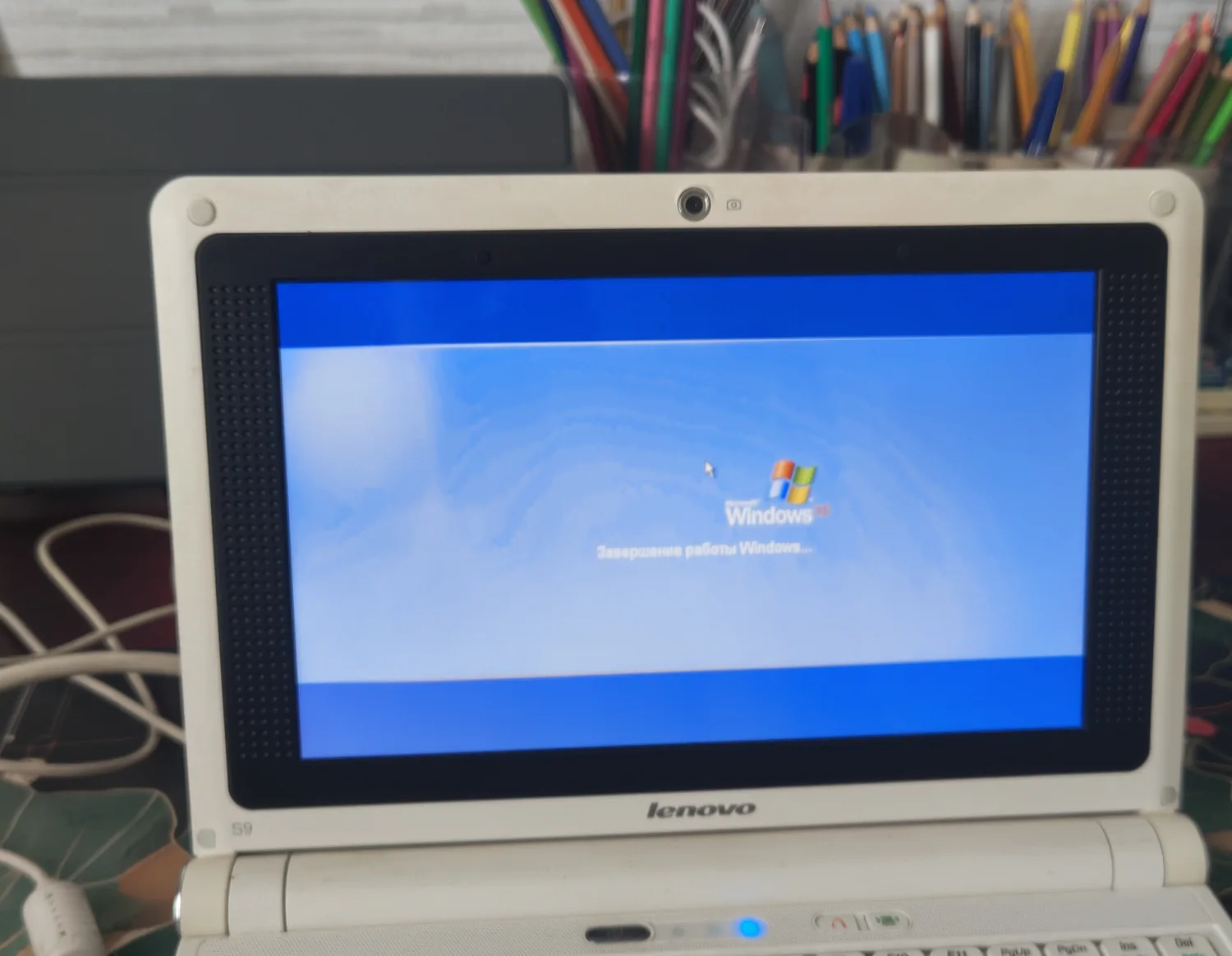
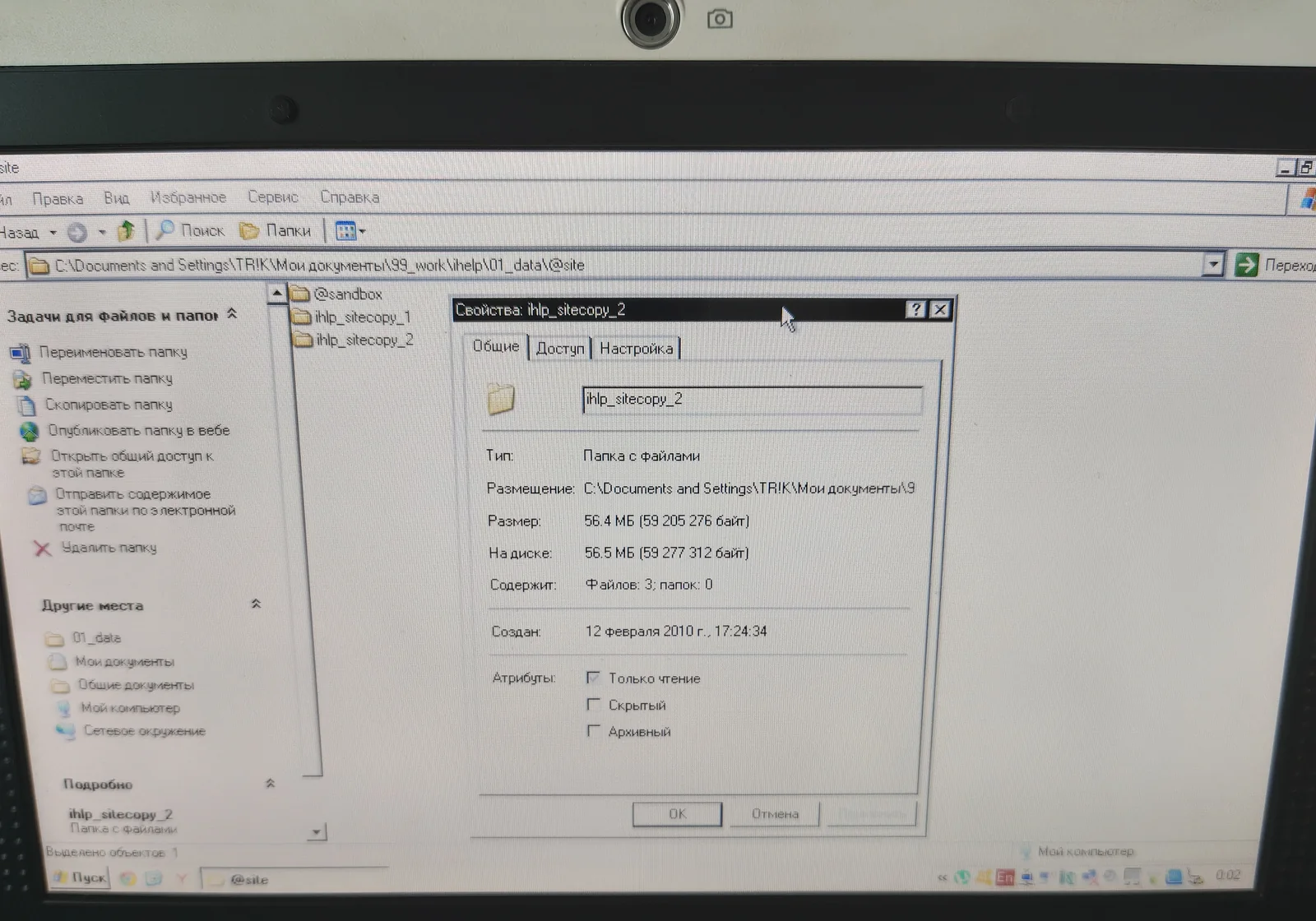
The interactive computer on this page uses a photograph of the recovered S9 as its shell. The old site is mapped back into the real display area. It is no longer a generic CSS drawing of a netbook; it is the old website running inside an image of its original machine.
The original site
IHELP was a volunteer project connected with a special boarding school in Kozelsk. The website collected the project history, plans, reports, people, organisations and ways to help. It also contained six photo albums covering several years.
The site ran on Joomla 1.5, with the normal machinery of that period: PHP, MySQL, templates, modules, login forms, search, polls and a gallery component called Exposé. It was assembled locally under XAMPP on the S9 and later copied to a server.
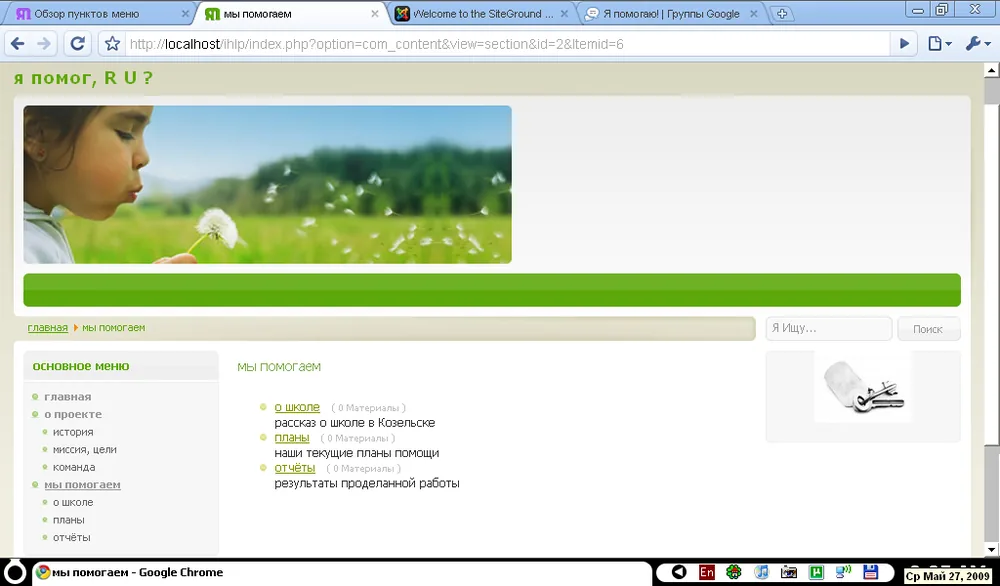
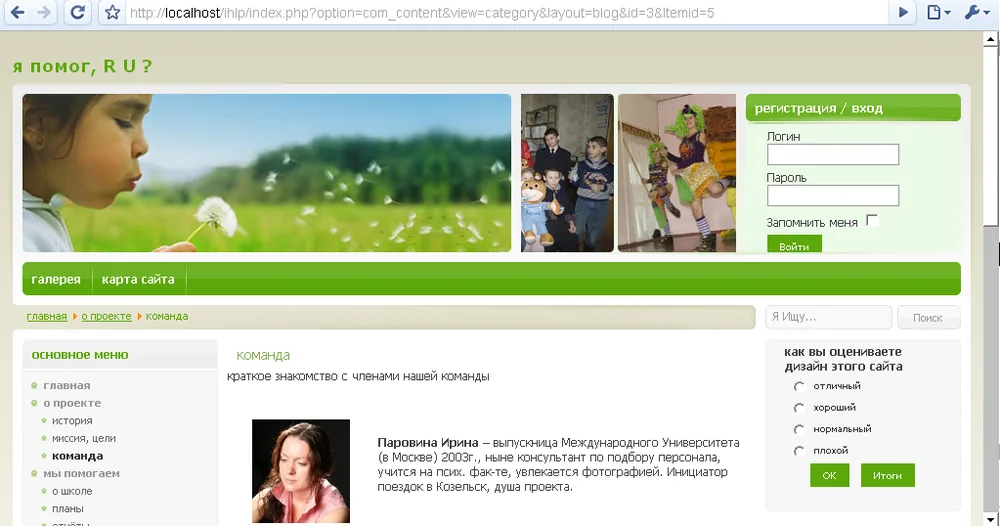
The surviving development screenshots show the website in progress in May and July 2009. The recovered server archive represents its later state in February 2010.
Reconstruction, not resurrection
Putting Joomla 1.5 back on the public internet would have been historically accurate in the same way that leaving a museum door unlocked would be historically accurate. The old PHP runtime, database, accounts and configuration were therefore not revived.
Instead, the database was parsed and the site was rebuilt as a static archive. The reconstruction preserves the navigation, texts, menu hierarchy, visual template, gallery structure and recovered photographs. Dead services were removed: login, registration, voting and search no longer pretend to work. Large gallery originals are requested only when a photograph is opened.
The restored archive contains 41 HTML pages, six albums and 67 photographs. It looks like the old site, but it no longer carries the attack surface of 2009.
The goal was not to modernise the old site. It was to let it remain old without remaining broken.
The machine around the site
The device is not decorative nostalgia placed around a screenshot. It is part of the history of the project.
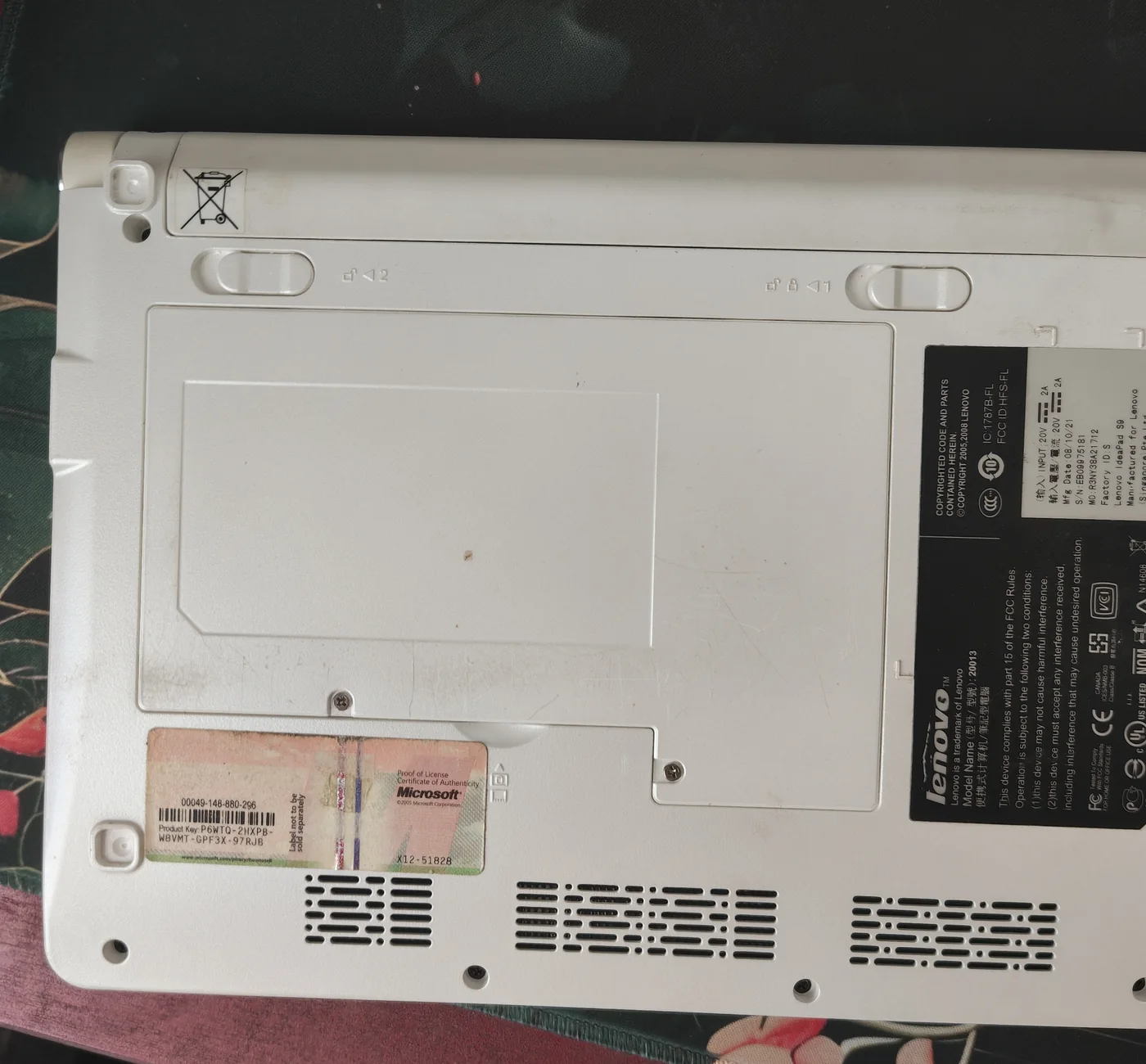
The photographic shell preserves details that the earlier reconstruction could only approximate: the double white-and-black display frame, the S9 badge, the camera, the side speaker perforations, the hinge, the Russian keyboard, the small touchpad, the front grille and the two surviving system stickers. Photographs of the lid and underside are included as evidence of the actual object rather than as catalogue views of an equivalent model.
The Power button switches the exhibit off. Fullscreen opens only the recovered display. Home page returns the embedded archive to its start. The site inside the screen remains a real navigable collection of static pages.
What loads, and when
The complete static archive occupies about 50 MB, mostly recovered photographs. It is not downloaded as one block.
The outer article and the device photograph load first. The archive home page is requested only after the visitor presses Load archive, with an initial transfer of roughly 0.8 MB. Gallery pages fetch their thumbnails when opened, usually around 1 to 1.6 MB per page. A large photograph is downloaded only after it is clicked.
The new photographs of the S9 add about 1.2 MB to the exhibit package. Only the main device image is needed immediately; the remaining documentary photographs are loaded lazily as the article is read.
An earlier standalone prototype embedded every page and image into one HTML file. That was convenient for local testing, but it forced a roughly 46 MB download before anything useful could happen. The public version keeps files separate, lets the browser cache shared assets and loads the archive gradually.
From one site to another
In 2009 the site was made on a white netbook with an Intel Atom processor, Windows XP, XAMPP and Joomla. In 2026 the same machine was powered on again while its surviving files were recovered with Python, static HTML, browser sandboxing and AI-assisted reconstruction, then prepared for a site built with Astro and deployed through Cloudflare.
The tools changed completely. The underlying impulse did not: make a place on the web, organise a story, keep the evidence and eventually return to it.
The site survived because someone copied the whole folder instead of deciding what was worth keeping. The computer survived because nobody quite got around to throwing it away. Sixteen years later, both untidy decisions turned out to be excellent archival practice.
Photographic revision
For the final device presentation, the main S9 photograph remains in its original desk setting instead of being cut out into a synthetic product shot. The live archive is projectively mapped to four measured corners of the photographed LCD opening, so its frame follows the real screen geometry at every responsive size. Reflections were removed from the separate black-screen photographs, the original boot images were cleaned without replacing their content, and the keyboard detail was recropped so the Intel Atom and Windows XP stickers remain fully visible.